Man With Van in Preston

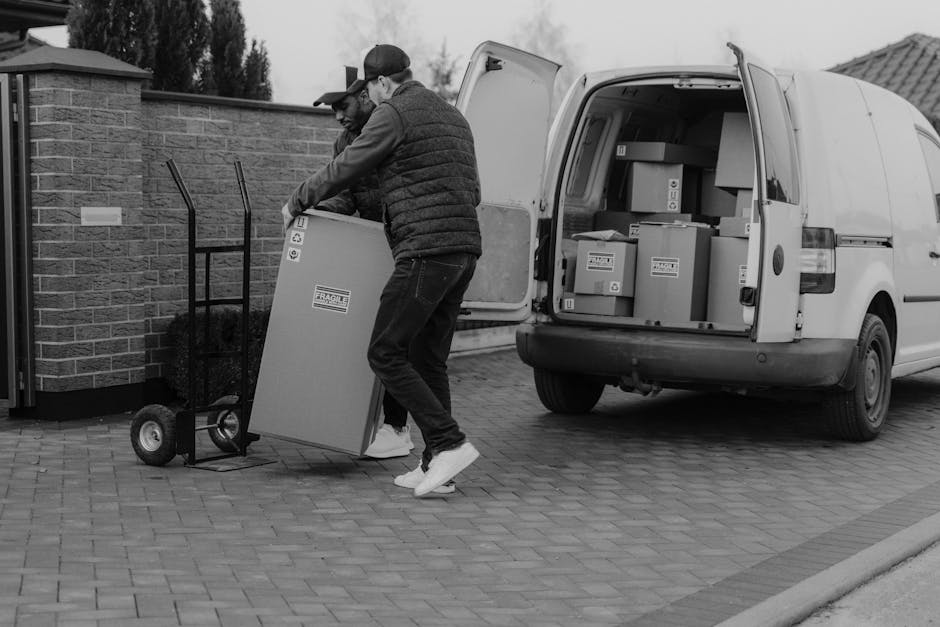
Our man with van in Preston service is set up for straightforward, careful transport when you need items moved without the scale of a full removals crew. We handle household pieces, single bulky items, light office contents and mixed loads that need an organised vehicle rather than a large lorry. The aim is simple: make the move feel orderly, economical in space and suited to the job in hand.
If you are comparing transport options, the most useful place to start is the kind of items involved and how they need to be loaded. Some jobs are mainly about careful handling, while others depend on timing, access or keeping different items separate. We work with you to match the vehicle and loading plan to the move, whether it is a few pieces across town or a fuller van load needing more structured packing.
For a wider view of the kinds of work available, you can look at our man and van service, which explains the core approach in more detail. We also provide removal services for customers who want a broader moving solution, and the choice between those options usually comes down to volume, access and how much lifting is involved. Pricing and quotes can help you plan the move with clearer expectations before you book.
Household item transport and smaller moves
Many customers use a man with van service for one-off domestic tasks rather than a complete house move. That might include a bed base, wardrobe, table, boxed belongings or a few larger objects that are awkward in a car. The practical benefit is flexibility: the load can be arranged around the items you actually need moved, with less wasted space and less unnecessary complexity than a larger removal vehicle.
We also support moves that sit between a single-item collection and a full relocation. If a flat has only a modest amount to clear, or if a property needs only part of its contents transported, a van-based service can be a sensible fit. It is often chosen for smaller domestic moves, student belongings, storage transfers and furniture picked up from retailers, auctions or private sellers. The key is to keep the load simple and the route clear.
When planning this kind of work, it helps to think in terms of item size rather than item count alone. A few heavy pieces may need more care than many lightweight boxes, and awkward shapes can matter more than the overall number of items. If you are unsure how to describe the load, give a plain summary of what needs moving and the starting and finishing points, then we can advise on the most suitable arrangement. Home moves provide a broader option when the job extends beyond a light load.
Vehicle-based moving for furniture and mixed loads

Furniture transport is one of the clearest uses for this type of service because many items are too large, too heavy or too delicate to fit well in an ordinary car. Sofas, drawers, cabinets, desks and dining furniture often need a van with enough length and height to carry them safely. Our approach is to make the load fit the item, rather than forcing the item to fit the load.
We can also combine different types of belongings in one trip where that makes sense. For example, a customer may need a table, several boxes, a mirror and a chair moved together, or a business might want a few desks and archive boxes transported in one organised journey. A mixed load is usually best handled with practical sequencing, so the larger items are secured first and smaller items are added without causing damage or movement.
Where furniture collection and delivery are involved, access matters as much as the items themselves. Narrow hallways, shared entrances, upper floors and short loading windows all affect how the work is arranged. If there are dismantled pieces, fragile surfaces or items that need to stay upright, mention that when asking for a quotation. Furniture pick-up is useful when the job is a simple collection, while moving van information can help if you want to compare vehicle-based transport options.
How we plan a move
Good planning starts with the basics: what is being moved, where it is going and whether there are awkward access points. From there, the job can be shaped into something efficient and manageable. The right plan may involve a single collection, several stops or a direct point-to-point run. It may also include light dismantling or a loading order that protects fragile pieces before the journey begins.
Two practical details often improve the process. First, a brief list of the key items helps to avoid underestimating space or weight. Second, clear information about stairs, parking and door widths helps us judge how the work should be approached. You do not need a polished inventory; a simple, honest summary is usually enough. If you need help with packing and unpacking as part of the move, you can review packing and unpacking services for a fuller picture of what can be arranged.
For customers who are comparing options, a helpful rule is to match the service to the amount of coordination needed. A straightforward van move works well when the items are ready to go and the route is simple. A more involved move may be better handled through our removals page, especially if the task includes more household contents or a more structured schedule. Contact us when you are ready to outline the load and request a quotation.
Commercial moves and office transport
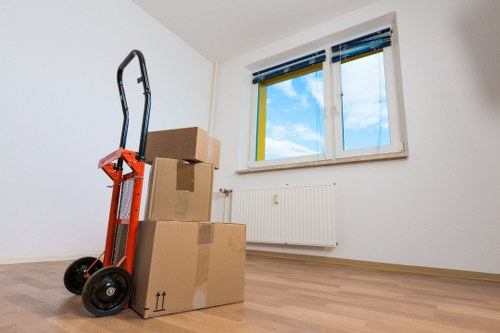
Not every move is domestic. Smaller commercial jobs can be a strong fit for a man with van arrangement when a business needs equipment or documents transferred without interrupting normal work for too long. That can include desks, chairs, shelving, stock, boxed materials or light office equipment. The main advantage is that the move can be kept focused on the actual items, rather than scaled up into a larger relocation than necessary.
Office transport often benefits from separating the load into categories before the vehicle is packed. Fragile electronics, paper records, display items and furniture may all need different handling, even when they are travelling together. Clear labelling and a sensible loading order help reduce confusion at the other end. For a more formal commercial relocation, our office relocation services explain a broader service built around business moves, while office removals provides a related option for larger or more complete premises changes.
Smaller businesses sometimes only need selective transport rather than a full office relocation. In those cases, it can be useful to decide whether the job is best treated as a one-off van move or as part of a larger planned move. If the work involves several stops, a loading bay or shared access, say so early so that the quotation reflects the practical details. We can then shape the journey around the schedule and the route rather than forcing a standardised approach.
Choosing the right type of removals support
Different moves need different levels of support, and the main choice is often between a light transport job and a fuller removals arrangement. A man with van service suits customers who already have most of the move under control and simply need a vehicle, careful loading and a direct journey. A larger removals option makes more sense when there is more to carry, more rooms involved or more time needed for organising the load.
It can help to think about the service in terms of outcome. If the goal is to move selected belongings, collect purchases or shift contents from one address to another without excess formality, then the van-based approach is often the better fit. If the aim is to move a whole home or manage a more complex relocation, then a broader removals service may be more suitable. House removals and house movers both give a clearer picture of the domestic side of that work.
For some customers, the distinction between transport and removals is less about terminology and more about confidence in the plan. Knowing whether the job will need one van load, several trips or more than one person to handle the items can make the decision much easier. Our role is to provide a practical service that fits the move in front of us, rather than pushing every enquiry into the same shape. If you are still deciding, a short description of the job is a good place to start.
About Preston
Preston is a city in Lancashire with a long history shaped by river, industry, transport and civic development. It sits on the River Ribble, which has influenced the city’s growth and its relationship with the wider county. Preston gained county borough status in the nineteenth century and later became a city in 2002, reflecting its role as an administrative and commercial centre. The historic core includes the Market Place, the Guild Hall area and streets that still reveal layers of older market town development alongside later Victorian expansion. A number of public spaces and institutions give the city a strong civic character, including Avenham and Miller Parks, which are linked by riverside walking routes and landscaped planting. The Harris is another notable landmark, combining museum, gallery and library functions in a prominent building near the centre. Preston’s railway heritage also remains visible in its transport identity, with the city acting as a key point in Lancashire’s rail network. Beyond the centre, neighbourhoods and suburbs range from older residential districts to newer estates, and the urban area extends towards the Ribble estuary and surrounding countryside. Cultural life includes theatres, sport, markets and university activity, helping the city maintain a varied public profile. The landscape around Preston mixes urban streets, parkland and waterways, so the place feels both compact and open in different parts. That combination has long shaped the character of the city, giving it a practical working identity as well as a strong sense of local history and civic continuity.
Practical support for loading and access

Access is one of the most important parts of any van move because the journey itself is only one stage of the job. Stairs, tight turns, limited parking, shared entrances and narrow driveways can all affect how items are handled. When a move is assessed properly, the work can be arranged so that lifting is efficient and the route from property to vehicle is as direct as possible. That saves time and reduces unnecessary handling.
It also helps to think about how items will be presented at collection. Loose pieces can often be moved more quickly when they are grouped together, while fragile items are safer when they are wrapped or separated from heavier objects. If a wardrobe needs dismantling, or if one item needs particular care because of finish or shape, mention it in advance. That allows the moving plan to match the item rather than expecting the item to adapt to the plan.
We try to keep the process clear and practical from start to finish. A simple description of the load, the floors involved and whether there are parking restrictions is often enough for a useful quotation. If your move is mainly a small-scale domestic or business transport task, a van-based service can be an efficient choice. For more substantial loads, our man with a van and man with van removal pages show related ways of arranging the work.
Items we commonly move
Some of the most common enquiries involve furniture and household contents, but the service is not limited to one type of item. Boxes, appliances, desks, shelving, small stock, exhibition materials and personal belongings can all be moved where the load is suitable for a van. The best jobs are the ones where the contents are clearly described and the route is straightforward enough to keep the move organised.
Typical items may include:
- single pieces of furniture and matched sets
- boxed household goods and stored belongings
- office furniture and light equipment
- collections from shops, warehouses or private sellers
- items moving to storage or between properties
If your move includes mixed items, it is worth deciding what should travel together and what should stay separate. That is especially useful when delicate goods are involved, because a tidy load reduces the chance of movement in transit. A clear, well-balanced van load can make a surprisingly varied job feel much simpler, particularly when the collection and delivery points are both easy to access.
About the booking and quotation process

When you request a quotation, the most useful information is a short description of the items, the addresses involved and any access details that might affect loading or unloading. If there are stairs, a lift, restricted parking or a need to move items over a distance from the property to the vehicle, that can all be mentioned at the same time. The more accurate the outline, the easier it is to choose the right transport arrangement.
We also recommend noting whether the job is a single trip, a collection-and-delivery combination, or part of a larger move with several stages. That helps avoid unnecessary assumptions and makes it easier to judge whether a van-only solution is enough. If you are comparing this with a fuller move, the removal company and removal companies pages can help you understand the broader range of moving services available.
To get started, simply send a clear summary of the move and ask for a quotation. If you prefer to read more before that, our removals near me and man with van removals pages offer related information, while contact us is the best final step when you are ready to ask for pricing and availability. We will then help you choose the most suitable service for the job.