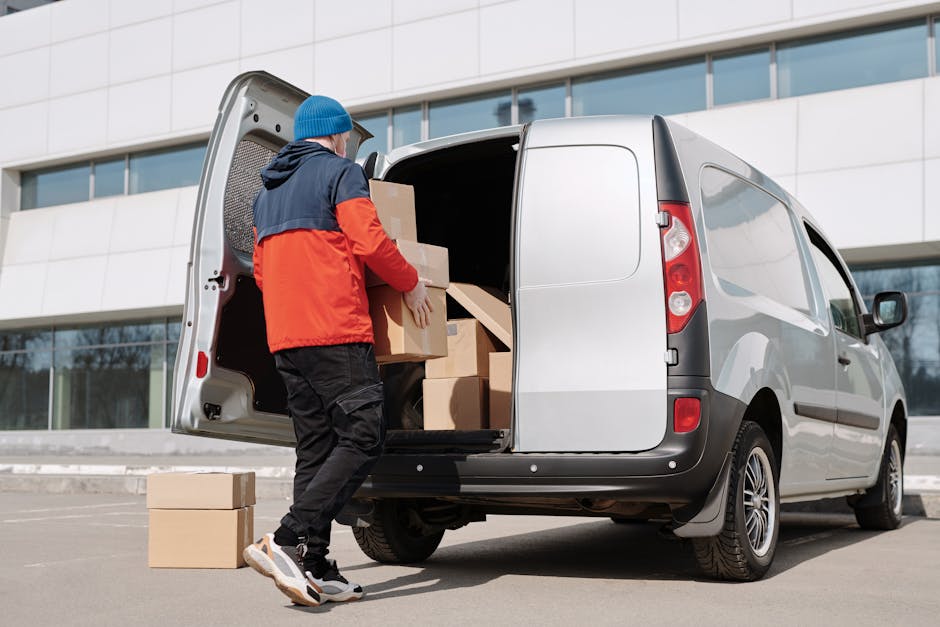
Winckley Square man with van access and unloading tips
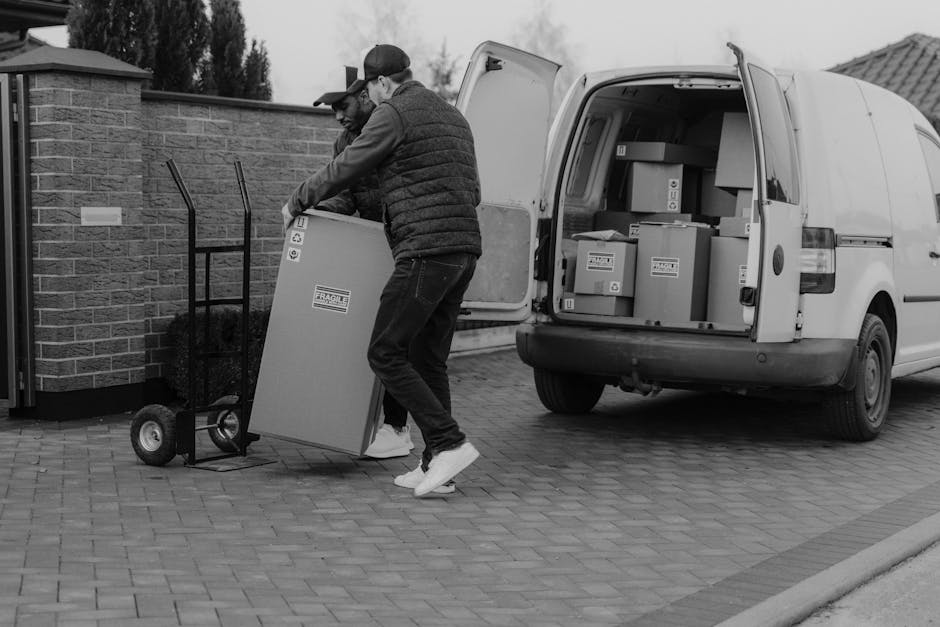
Moving near Winckley Square can look simple on a map, then suddenly feel fiddly the moment a van appears and the real-world details kick in. Narrow approach roads, limited stopping space, busy foot traffic, awkward building entrances, and a few seconds of indecision while someone says, "Can we unload here?" - that is usually where time gets lost.
This guide on Winckley Square man with van access and unloading tips is built for exactly that moment. Whether you are moving a flat, dropping off furniture, helping a business with a quick delivery, or just trying to avoid stress on the day, the right access plan makes a huge difference. You will find practical advice on parking, timing, packing the load, communicating clearly, and unloading without turning the pavement into a bottleneck.
It is not about making a move feel perfect. Let's face it, moves are rarely perfect. It is about making them calmer, safer, and a lot more efficient.
Why Winckley Square man with van access and unloading tips Matters
Access is the part of a move people underestimate. The van is only one piece of the puzzle. The other pieces are: where it can stop, how long it can stay there, whether there is enough room to open the rear doors, how far the item must be carried, and whether unloading blocks pedestrians or other vehicles.
Winckley Square is one of those places where a good plan pays off quickly. The area has a mix of office spaces, residential properties, restaurants, and heritage-style buildings nearby, which means conditions can change from one entrance to the next. A move that looks straightforward at 9:00am can feel very different by lunchtime if the street is busier than expected.
Good access planning also protects the items being moved. The less time furniture spends half on the van, half on the pavement, the lower the risk of damage. And the less you rush, the less likely something gets dinged on a step, a door frame, or the corner of a lift lobby.
Practical truth: the best unloading tip is not a clever lifting trick. It is creating a setup where you do not have to rush at all.
For local moves, that often means thinking about timing before anything else. Early starts are usually quieter. Late afternoon can be more awkward. And if you are arranging a wider removal, a service such as man with van or man and van support can be a sensible middle ground between doing everything yourself and booking a full-scale removal crew.
How Winckley Square man with van access and unloading tips Works
The process is fairly simple, but the small details matter. First, you assess the access. Then you plan the vehicle position. Then you work out the unloading sequence so the first items off the van are the ones you need first, not the ones you packed last because they were easy to squeeze in.
A typical local move near Winckley Square usually follows this pattern:
- Confirm the pickup and drop-off addresses, including exact entrance points.
- Check whether the van can park close enough for a safe, short carry.
- Decide which items need protection, a trolley, or two-person handling.
- Unload in order of priority, starting with heavy, stable items if access is clear.
- Move fragile pieces separately so they are not trapped under boxes.
- Keep walkways, doorways, and steps clear while the unloading is happening.
The aim is to reduce friction. A clean route from van to doorway is worth more than people think. If the path is narrow, a good mover will often stage items just inside the entrance or just outside the vehicle, depending on what is safest and least disruptive.
That is where experience helps. A decent moving van setup is not just about the size of the vehicle. It is about how the driver positions it, how quickly the tail lift or rear doors can be accessed, and whether the load is arranged so the first thing out is not buried at the back under a pile of cushions and boxes. A classic moving day comedy, really, if it was not so annoying.
Key Benefits and Practical Advantages
When access and unloading are planned properly, the whole move becomes more predictable. That is the real benefit. Not just speed, but control.
- Less carrying distance: fewer steps between van and property means less strain and fewer chances of dropping items.
- Safer handling: a clear unloading area reduces twisting, awkward lifts, and rushed decisions.
- Faster turnaround: stopping time is reduced when everyone knows where the van is going and where items are headed.
- Lower damage risk: fewer collisions with door frames, kerbs, bins, and other parked vehicles.
- Better neighbour relations: tidy unloading is less likely to block entrances or create a nuisance.
- More accurate planning: once access is understood, quote accuracy and timing tend to improve too.
There is also a mental benefit, which is easy to overlook. If you know the unloading path, the move stops feeling like a mystery. You are not guessing every five minutes. You are simply following a plan.
For customers comparing service types, it can also help to know the difference between a light local move and a broader house move. A focused home moves service may suit a smaller household relocation, while more complex jobs may sit better with house removals or removal services.
Who This Is For and When It Makes Sense
This topic is useful for anyone moving items in or out of Winckley Square where the access is not completely wide open. That includes flat moves, office deliveries, student relocations, furniture pick-ups, and short-notice transport jobs.
It especially makes sense if:
- you are dealing with limited kerb space;
- the building entrance is set back from the road;
- you have heavier furniture, not just boxes;
- you need to keep the move quick and discreet;
- you are moving at a time when the street is busy;
- you want to avoid hiring a larger vehicle than you actually need.
For smaller or mixed loads, a service such as removals near me can be a handy starting point when you want local support without overcommitting to a large removal package. And if you are specifically shifting a few bulky household pieces, furniture pick up might be the better fit.
Truth be told, not every move needs a full crew and a giant lorry. Sometimes you just need a careful driver, a practical loading plan, and someone who understands what the street will actually allow on the day.
Step-by-Step Guidance
Below is the simplest way to organise access and unloading around Winckley Square without making the day harder than it needs to be.
1. Check the destination first
Before the van leaves, identify the exact unloading point. Is there a front entrance, a side gate, a service door, or a shared lobby? If the main entrance is awkward, you may need to use a safer alternative. That decision should be made before arrival, not while the van is idling and everyone is waiting.
2. Walk the route in your head
It sounds basic, but it works. From van door to property door, can you move a sofa without turning it sideways three times? Are there steps, bollards, railings, or tight corners? If the route looks clumsy in your mind, it will likely feel clumsier in real life.
3. Park for the carry, not just for convenience
The best parking spot is not always the one that looks closest on paper. It is the one that makes unloading safe, quick, and legal. A slightly longer carry on a clear route is often better than an ultra-close position that blocks access or forces awkward manoeuvres.
4. Load the van in the right order
What comes off first should be loaded last or clearly staged near the doors. Heavy items, fragile items, and items needed immediately should not all be tangled together. A little order saves a lot of lifting.
5. Use a simple unloading sequence
Start with the items that clear space fastest. If there are large items, move them carefully into a safe staging area. Then bring in medium boxes, and finish with loose or fragile pieces. This reduces congestion and keeps the floor clear enough to work.
6. Keep one person "traffic-aware"
If more than one person is involved, one person should watch the surroundings while the others carry. That role is underrated. It helps with pedestrians, passing vehicles, and awkward moments at the kerb. Not glamorous, but useful.
7. Check before you leave
Before the van pulls away, make sure nothing is left behind in the cab, under blankets, or in the loading bay. It happens more often than people admit. A final five-second check can save a whole new headache.
Expert Tips for Better Results
Here is where the move gets easier, not just organised. Small habits make a noticeable difference.
- Use colour cues: simple labels or coloured tape can help separate rooms or priority items.
- Keep a "first inside" box: put kettle, phone chargers, bin bags, toilet roll, and basic tools in one easy-to-find box.
- Protect corners before lifting: cardboard corners, blankets, or soft wraps can prevent scuffs in narrow hallways.
- Do not overload one person: one heavy item after another is where strain injuries start to creep in.
- Leave a little breathing room: a van packed too tightly can be harder to unload safely than one packed with a sensible sequence.
One thing we often notice in real moves: people think they need more force when they actually need more order. A well-packed van behaves better. It just does.
If you are moving office items, paperwork, or shared equipment, you may also want to look at office removals or commercial moves for a more structured approach.
Common Mistakes to Avoid
Most access problems are avoidable. The same few mistakes show up again and again.
- Guessing the parking spot: this leads to awkward last-minute changes and extra carrying.
- Arriving without a load plan: if the team has to search through the van for every item, unloading drags on.
- Blocking entrances: this slows the job and can upset neighbours, tenants, or passers-by.
- Ignoring the weather: rain changes grip, visibility, and the safety of cardboard boxes very quickly.
- Forgetting building rules: some buildings have service access rules, delivery windows, or shared entry restrictions.
- Assuming the biggest van is the best van: in tighter areas, a smaller vehicle can be much easier to position.
Another quiet mistake is underestimating the unload itself. People focus on getting the items there, then assume the hard work is done. Not quite. Unloading is where patience matters most, especially if the entrance is narrow or there is a lot of foot traffic.
If your move is part of a larger home relocation, the broader support offered through house movers or even man with van removal may be worth comparing.
Tools, Resources and Recommendations
You do not need a warehouse of equipment to unload well. A few sensible items make a big difference.
| Tool or item | Why it helps | Best use |
|---|---|---|
| Furniture blankets | Protects edges, doors, and polished surfaces | Tables, wardrobes, white goods, bedside units |
| Straps | Helps stabilise awkward or tall items | Transport and short carry from van to door |
| Hand trolley or sack truck | Reduces strain and speeds up heavy carries | Boxes, appliances, stacked items |
| Labels and tape | Makes sorting faster on arrival | Room-by-room unloading |
| Gloves with grip | Improves control and protection | Wet days, rough surfaces, heavy furniture |
Practical recommendations matter too. If the job is a small household move, a service that focuses on man with van support may be enough. If it is a larger or more complicated day, compare options such as removal company, removal companies, or removal van services so you can match the vehicle and manpower to the access conditions.
And yes, a kettle on standby at the new place helps morale more than most people expect. Small comfort, big difference.
Law, Compliance, Standards, or Best Practice
For a move near Winckley Square, the key compliance point is straightforward: parking, stopping, loading, and obstruction need to be handled responsibly and in line with local conditions. You should never assume you can stop wherever is most convenient. That is how delays, fines, or complaints happen.
Safe manual handling also matters. Heavy lifting should be planned, not improvised. If something is too heavy, too awkward, or too unstable for one person, it should be handled with the right number of people and the right equipment. That is not just common sense; it is the sensible standard many reputable movers work to.
If you are using a professional mover, it is wise to look for clear information on insurance, safety, and working practices. On this site, those topics are covered in the insurance and safety information and the health and safety policy. For payment clarity, the payment and security page is also worth checking before you book.
For a customer, the best practice is simple: share access details early, mention stairs or lifts, flag anything fragile, and be honest about the size of the load. That honesty saves time on the day. It really does.
Options, Methods, or Comparison Table
Different moves need different setups. Here is a plain-English comparison to help you decide what fits best.
| Option | Best for | Strengths | Trade-offs |
|---|---|---|---|
| Small man and van | Short local moves, single items, light household loads | Flexible, easier to park, usually quicker around tight access | Not ideal for large loads or multiple bulky rooms |
| Larger moving van | Mixed loads, medium household moves | More capacity, fewer trips | May be harder to position in narrow streets |
| Full removal service | Whole-home moves, complex access, larger furniture sets | More manpower, more structure, less lifting for you | Usually more involved than a simple local delivery |
| Office or commercial move support | Business equipment, stock, desks, files | Better planning for timing and access | Needs clearer coordination and entry arrangements |
If you are unsure which route fits, compare your load size, the building access, and the time available. That usually tells the story. A very small job does not need to be made bigger than it is, and a complex one should not be squeezed into a tiny plan. Simple as that.
Case Study or Real-World Example
A good example is a small flat move with a few heavier pieces: a bed frame, two chests of drawers, a sofa, and a handful of boxes. The property sits close to Winckley Square, but the entrance is slightly set back and the hallway is narrow. On paper, it looks like a quick job. In reality, it needs thought.
The best approach is to park as close as legally and safely possible without blocking the route. The sofa and bed frame are unloaded first because they are the hardest to turn indoors. Fragile boxes are kept separate and lifted after the big items are out of the way. One person stays near the entrance to guide timing and keep the path clear, while the other focuses on carrying.
The result? Fewer trips, less backtracking, and no frantic pivoting in the hallway while someone mutters, "Just rotate it a bit more." We have all seen that moment. Nobody enjoys it.
This is the kind of job where man and van removals can be a practical choice because the service can be scaled to the access, not the other way around. If you also need help with the unpacking stage, packing and unpacking services can remove a lot of pressure from the first evening in the new place.
Practical Checklist
Use this checklist before the van arrives.
- Confirm the exact pick-up and drop-off entrances.
- Check whether there are stairs, a lift, or a narrow landing.
- Measure large furniture if there is any doubt.
- Pack fragile items separately and mark them clearly.
- Decide which items need to come out first.
- Keep a clear path from van to door.
- Make sure access details have been shared with the mover.
- Have keys, fobs, and contact numbers ready.
- Check parking restrictions and local loading conditions in advance.
- Keep a basic essentials box close by.
Quick reminder: access problems are easier to prevent than solve halfway through a move.
Conclusion
Winckley Square moves go more smoothly when you treat access and unloading as part of the job, not an afterthought. A good van choice, a sensible parking position, a clear unloading order, and a little patience can save time, effort, and stress all at once.
If you are planning a move in or around the area, focus on the details that actually change the day: how close the van can safely stop, how the items will come out, and whether the route into the property is clear. That is where the real wins are. Not in fancy equipment, just in calm planning and practical thinking.
Get a free quote today and see how much you can save.
And if you do nothing else, do this: make the path simple, keep the load organised, and give yourself enough time to breathe. A smooth move is often just a well-prepared one.
Frequently Asked Questions
What is the best way to plan man with van access near Winckley Square?
Start by confirming the exact entrance, parking options, and any steps or tight corners between the van and the property. Then plan the load so the heaviest or most important items come off first.
Can a man and van service handle awkward access?
Yes, often it can. In fact, a smaller and more flexible setup is frequently better for tight streets or limited stopping space than a larger vehicle.
How do I avoid blocking the road while unloading?
Choose the safest legal stopping point, keep the unload short, and stage items efficiently so the van is not left open longer than needed. If the area is busy, ask someone to watch the surroundings while carrying.
Should I unload heavy furniture first or last?
Usually first, if the route is clear and safe. Heavy pieces are often easier to manage before the space becomes cluttered with boxes and loose items.
What should I tell the mover before arrival?
Tell them about parking limits, stairs, lifts, narrow entrances, loading bays, and anything fragile or unusually bulky. The more accurate the access notes, the smoother the day tends to be.
Do I need special equipment for unloading?
Not always, but furniture blankets, a trolley, gloves, and straps can make a big difference. They are especially useful if you have white goods, wardrobes, or awkward corners to navigate.
Is a larger van always better?
No. In tighter areas, a smaller van may actually be easier to position and unload. The right size depends on the load and the access, not just how much space you think you need.
What time of day is best for unloading around a busy square?
Earlier in the day is often simpler because roads can be calmer and pedestrian traffic lighter. That said, the best time is the one that fits the property rules and the local conditions on the day.
How can I protect fragile items while unloading?
Separate them from heavier items, label them clearly, and unload them into a clear, stable area. Do not let them get trapped under boxes or pushed against sharp corners.
What if the property entrance is too narrow for a direct unload?
Use the safest alternative route, even if it means a slightly longer carry. Sometimes a side entrance, service door, or different parking position makes the whole process much easier.
Are packing and unpacking services worth it for a local move?
They can be, especially if you are short on time or moving fragile belongings. A bit of help at the start can take a surprising amount of pressure off the rest of the day.
How do I compare a man with van service and a full removal service?
Look at the load size, the access difficulty, and how much lifting you want to handle yourself. A man with van setup suits smaller, simpler jobs, while larger or more complex moves may need full removal support.
If you are comparing options, it can also help to look at the broader range of removal services and decide what genuinely matches your move rather than what sounds impressive on paper.