Health and Safety Policy for Man With Van Preston
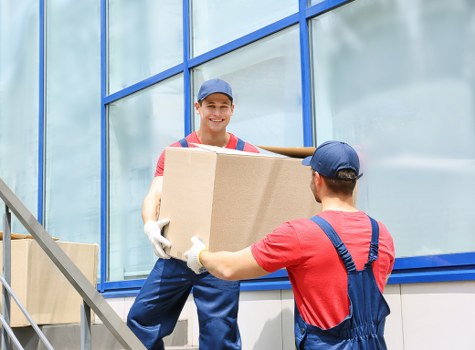 At Man With Van Preston, health and safety is a core part of how every job is planned and carried out. We are committed to protecting our team, our customers, visitors, and members of the public from avoidable harm during removals, deliveries, loading, unloading, and all related transport activities. This policy sets out the standards we follow to reduce risk and maintain a safe working environment at every stage of the service.
Our approach is built on prevention, awareness, and responsibility. All tasks are assessed before work begins so hazards can be identified early and controlled properly. Whether the job involves household items, office furniture, or single-item transport, we aim to complete each service safely, efficiently, and with care for people and property.
We recognise that moving and handling work can involve physical strain, time pressure, changing weather, and unpredictable site conditions. For that reason, our procedures are designed to support safe decisions and minimise exposure to risk. This policy applies to all staff, contractors, and anyone working under the name of Man With Van Preston.
Our Health and Safety Commitments
We are committed to providing a safe workplace and safe systems of work. This includes using suitable equipment, maintaining vehicles in a roadworthy condition, and ensuring that all lifting, carrying, and loading activities are performed with proper technique. We also expect everyone involved in operations to act responsibly and to stop work if a task becomes unsafe.
Risk assessments are carried out before and during each job when needed. These help us review access routes, stairs, tight spaces, uneven surfaces, weather impacts, load weight, and the need for additional support. We adapt our methods to the situation rather than forcing a one-size-fits-all approach. In this way, our van and man service remains flexible while still prioritising safety.
 We also expect a shared duty of care. Customers are encouraged to disclose any known hazards, fragile items, parking limitations, restricted access, or special handling needs before work begins. By working together, we can reduce delays and lower the chance of injury or damage. Good communication is an essential part of our safety culture.
Safe Working Practices
Manual handling is one of the most common sources of injury in removals work, so it is treated with particular care. Team members are trained to lift correctly, work in pairs where appropriate, and use trolleys, straps, blankets, and other tools to reduce strain. Heavy or awkward items are never rushed, and unsafe lifts are avoided whenever possible.
Vehicle safety is equally important. All vehicles are checked regularly to ensure tyres, brakes, lights, mirrors, and loading areas are in good working order. Loads are secured before travel so that items do not shift in transit. We make sure that cargo is positioned safely to support stable driving and to protect property from movement-related damage.
 Personal protective equipment may be used where appropriate, depending on the nature of the task. This can include gloves, safety footwear, or high-visibility clothing. The aim is not only to protect workers, but also to support a professional and controlled working environment. We expect equipment to be used correctly and kept in good condition.
Training, Communication, and Reporting
All team members are expected to understand and follow this policy. Training is provided so that staff can carry out duties safely and recognise signs of potential danger. This includes safe lifting methods, load planning, route checking, vehicle awareness, and the correct use of equipment. New and returning workers are made familiar with current procedures before taking part in jobs.
Communication plays a major role in safety management. Instructions should be clear, concerns should be raised promptly, and any uncertainty about a task must be discussed before work continues. A well-informed team is better able to make safe decisions and respond quickly to changing conditions. This is especially important when working in busy premises or around other people.
If an accident, near miss, damage incident, or unsafe condition occurs, it must be reported as soon as possible. Reporting allows us to investigate the cause, make improvements, and reduce the chance of repetition. We treat every report seriously, whether it involves minor injury, property damage, or a situation that could have become more serious.
Workplace and Public Safety
 We take steps to protect not only our team, but also the people around them. During loading and unloading, we aim to keep walkways clear, avoid obstructing entrances, and manage movement carefully around the public. Special attention is given to children, pets, vulnerable individuals, and anyone who may not be aware of the risks associated with moving operations.
Sites are checked for access issues such as poor lighting, slippery ground, low ceilings, narrow hallways, or unstable surfaces. When necessary, work is paused until the environment can be made safer. We believe that a professional man with a van service should never compromise on safety in order to save time.
We also maintain clean working conditions. Spills, packaging waste, loose straps, and debris are removed promptly to reduce slip and trip hazards. A tidy work area improves efficiency and supports safer handling, especially in confined spaces where movement is limited.
Review and Continuous Improvement
 This policy is reviewed regularly to ensure it remains effective and appropriate for the services we provide. Improvements may be made following incidents, changes in equipment, new work methods, or feedback from safety reviews. Our goal is to build a culture where safety is seen as a daily responsibility rather than a one-time requirement.
By following this policy, Man With Van Preston aims to deliver a reliable service while protecting people, property, and the wider community. Safety is built into every stage of our work, from planning and lifting to transport and completion. We believe that careful practice, open communication, and consistent standards are the best way to support safe and successful moves.