Terraced Homes & Narrow Stairs in Preston: Moving Solutions
Posted on 04/07/2026
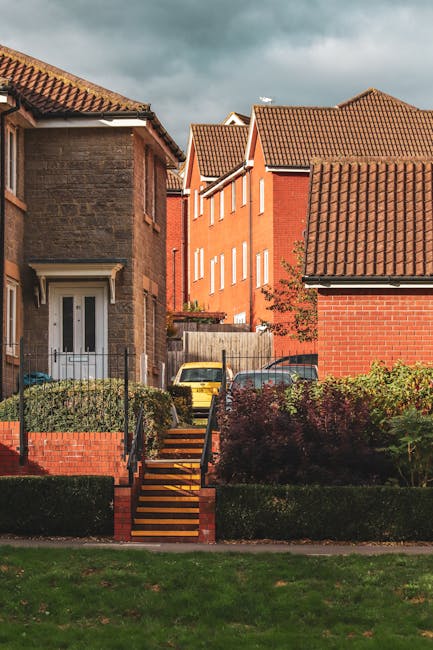
Moving house is rarely straightforward, but when you add steep staircases, tight landings, awkward front doors, and the usual Preston terraced-house reality, the job can feel twice as hard. If you are planning a move in a traditional terrace, a converted flat, or any property with narrow stairs, the right approach matters. Terraced Homes & Narrow Stairs in Preston: Moving Solutions is really about reducing risk, saving time, and getting your belongings from A to B without the stress spiralling out of control.
In Preston, plenty of homes have compact layouts, shared access, and staircases that were clearly not designed with a three-seater sofa in mind. That does not mean the move has to be messy or unsafe. It just means planning, the right equipment, and a sensible loading strategy become essential. Below, you will find a practical, localised guide to what works, what does not, and how to make moving day feel manageable rather than chaotic.
Why Terraced Homes & Narrow Stairs in Preston: Moving Solutions Matters
Terraced homes are brilliant in many ways. They often sit close to the town centre, feel characterful, and can be ideal for families, students, first-time buyers, and anyone who likes a bit of neighbourhood life. But when it is time to move, those same features can create real headaches. A narrow staircase can turn a simple job like carrying a wardrobe upstairs into a slow, careful puzzle.
Why does that matter so much? Because the wrong move can lead to chipped walls, strained backs, damaged furniture, broken fittings, and a bad mood that lingers all day. And nobody needs that at 8:30 on a wet Lancashire morning. In practical terms, these properties often need extra attention around access, parking, turning space, lifting angles, and how items are carried through the house.
Preston's terraced streets can also be a little unforgiving for larger vehicles or rushed loading. One minute everything looks fine; the next, a parking gap disappears or the hallway feels two inches narrower than it did during the survey. That is why a thoughtful plan is not a luxury. It is the difference between a controlled move and a scramble.
If you are still in the early stages, it helps to combine access planning with practical prep. A guide like simplifying your house move experience is a useful place to start, especially when you want the moving day itself to feel less like a test.
How Terraced Homes & Narrow Stairs in Preston: Moving Solutions Works
The moving process for a terraced property is not radically different from any other move, but the order of operations matters more. You begin by assessing access, then you decide what can be moved safely upstairs or downstairs, then you adapt the loading plan around the staircase and the property layout.
In a typical Preston terrace, the key variables are:
- the width and height of the staircase;
- how tight the turns are on the landing;
- whether furniture needs to be angled, tilted, or partially dismantled;
- how far the vehicle can park from the entrance;
- whether hallways, doors, or banisters reduce usable space;
- how many people are available to help with lifting and guiding.
Once those are clear, the actual move becomes much more predictable. Large items may need partial disassembly before they are carried. Sofas may be stood on end. Beds may need the frame separated from the headboard and slats. White goods may need to be drained or secured. Some items, frankly, are easier to move via a different route than they are to force up a staircase. That is not defeat. It is common sense.
A professional team will usually look at the route from van to room as one connected flow, not a series of separate tasks. That matters because small constraints add up fast. One tight corner is manageable. Three tight corners plus a narrow door plus a parked car outside? Different story.
For bigger or more awkward pieces, especially upholstered furniture, it can be worth reading practical sofa storage advice as well as move-day preparation tips. The same principle applies in reverse: if it was difficult to store, it will probably be awkward to move too.
Key Benefits and Practical Advantages
Done properly, a well-planned terraced-house move is calmer, safer, and often quicker than people expect. You do not remove the awkwardness entirely, of course. Narrow stairs are narrow stairs. But you do reduce the risk of the usual problems and get a lot more control over the day.
The main advantages are:
- Less damage to walls, bannisters, doors, and furniture;
- Safer lifting, especially for bulky or heavy items;
- Better time control because the route is planned in advance;
- Lower stress for everyone involved;
- More efficient loading because items can be staged correctly;
- Fewer surprises when access is reviewed before move day.
There is also a very real mental benefit. When the difficult parts are identified early, the whole move feels less mysterious. People tend to relax a bit once they know, for example, that the wardrobe needs to come apart or that the sofa is simply too large to carry intact. Truth be told, clarity is half the battle.
Another advantage is cost control. A team that understands compact access can estimate time, vehicle size, and labour more accurately. That can help avoid delays and the sort of awkward "we should have planned that better" moment nobody wants after the van has already arrived. If you are worried about budgeting, it is worth looking at common pricing confusion in Preston removals before you confirm anything.
Who This Is For and When It Makes Sense
This kind of moving solution is useful for a lot more people than you might think. Terraced houses and narrow staircases are common across Preston, and the challenge is not limited to one type of move.
You will especially benefit if you are:
- moving from a traditional terraced house with a small hallway;
- leaving a first-floor flat reached by a tight stairwell;
- relocating a student property with awkward access;
- moving a family home with larger furniture and limited turning space;
- handling items like beds, sofas, wardrobes, freezers, pianos, or heavy desks;
- working to a same-day schedule and need efficient loading;
- planning a move where parking is restricted or temporary access is tricky.
It also makes sense if you are doing most of the packing yourself but want support for the tricky bits. That is a very normal approach. Plenty of people can manage boxes and soft items, then call in help for the heavy or awkward pieces. There is no prize for struggling alone.
If your move is small and straightforward, you may not need a big operation. But if the staircase makes you hesitate every time you look at it, that is usually your cue to plan more carefully. Some moves are simply more about technique than strength. And yes, that includes the moment you stand at the bottom of the stairs and think, "How on earth did that sofa get in here?"
For students and shorter lettings, the context can be different again. A move from a compact terrace before term time often benefits from short-notice student move solutions because time and access both tend to be tighter than expected.
Step-by-Step Guidance
Here is the practical sequence that tends to work best in Preston terraced properties. It is not glamorous, but it is reliable. And on moving day, reliable beats clever every time.
-
Measure the awkward bits first.
Check stair width, landing depth, door frames, headroom, and any tight bends. If a sofa is 20cm wider than the landing allows, you want to know that before everyone is standing there in silence.
-
Sort furniture into move-ready and dismantle-first.
Bed frames, dining tables, wardrobes, shelving, and some desks may need taking apart. Keep fixings in labelled bags. It sounds obvious. People still forget it. Often.
-
Declutter before you pack.
The less you carry, the fewer times you have to squeeze something up a staircase. That alone can save a lot of effort. If you want a better method for this stage, see how pre-move decluttering reduces moving stress.
-
Pack rooms by weight and fragility.
Heavier items go in small boxes. Fragile items need padding and consistent labelling. One overloaded box at the top of a narrow stair is asking for trouble.
-
Plan the route through the property.
Decide where items will pause, turn, or be rotated. Sometimes the safest route is not the most direct one.
-
Use the right lifting method.
Keep loads close, lift with the legs, and avoid twisting while carrying. If you are moving alone, be extra cautious and do not overestimate what is "fine". For a practical refresher, solo heavy lifting guidance is worth a look.
-
Load the vehicle in a sensible order.
Put the heaviest, least fragile items in first. Leave a clear path for unloading. It makes the new property easier too, especially if the destination is another terrace.
-
Settle the new place room by room.
Do not drop everything in the hallway and hope for the best. That is how a two-hour job turns into a weekend of box archaeology.
One small but useful habit: keep a clear bag or box for keys, chargers, kettle items, and kettle-adjacent essentials. You will want them quickly, usually the moment the tea runs out. Funny how that happens.
Expert Tips for Better Results
The best terraced-house moves are not just well packed. They are well thought through. Here are the sorts of details that make a real difference.
- Remove loose hazards early. Mats, shoes, plant pots, hallway clutter, and trailing cables all make narrow stair moves riskier.
- Protect the property before the move starts. Door frames, corners, and bannisters are the usual contact points. Basic covering can save a lot of repair pain later.
- Keep the team talking. On stairs, communication matters more than speed. A simple "pause", "tilt", or "coming down" can prevent accidents.
- Use furniture protection where needed. Blankets and wraps are helpful, but only if they do not make the item impossible to grip.
- Do not force oversized items. If a piece is clearly too large, re-route, dismantle, or re-think. The staircase will not magically expand.
- Book enough time. Tight access always takes a bit longer. If the job is rushed, everything feels harder than it should.
For bigger upholstered items, it can help to pair moving-day planning with the right storage approach. The article on moving beds and mattresses safely is a good companion read if your move involves bulky bedroom pieces.
And if you have anything very delicate, such as an upright piano, do not treat narrow stairs casually. Some jobs are simply not worth DIY improvisation. A bit of humility saves a lot of repairs, which is not a bad trade.
Common Mistakes to Avoid
Most moving problems in terraced properties come from a handful of predictable mistakes. The good news is that they are avoidable.
- Assuming the staircase "will probably be fine". Probably is not a plan.
- Not measuring furniture properly. A few centimetres matter a lot more than people expect.
- Leaving everything packed in huge boxes. Heavy boxes become dangerous on stairs very quickly.
- Trying to carry too much at once. This is where backs get wobbly and corners get chipped.
- Forgetting about parking. A perfect lifting plan becomes less perfect if the vehicle has to park a long way off.
- Skipping a dismantling stage. Some items simply need to come apart.
- Ignoring fragile surfaces. Painted walls and narrow stair rails can be surprisingly unforgiving.
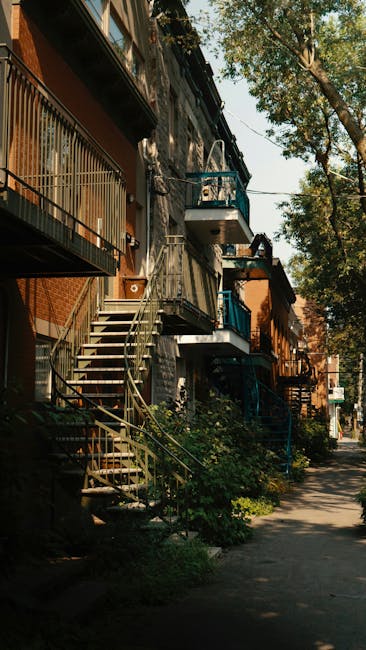
There is also a planning error people make when they think the move is "small enough" not to need preparation. Small does not always mean simple. In fact, compact moves can be more awkward because there is no spare room to absorb mistakes. A tight landing exposes every bad decision, instantly.
If your route to the van is especially tricky, the same logic applies to street access and loading time. A local access guide such as narrow-street moving solutions in Preston can help you think about congestion, timing, and access in a more practical way.
Tools, Resources and Recommendations
You do not need a warehouse of specialist kit to move well in a terraced property. But a few practical tools make the process much safer and smoother.
| Tool or resource | Why it helps | Best used for |
|---|---|---|
| Furniture blankets | Protects doors, walls, and furniture finishes | Sofas, tables, wardrobes, and appliances |
| Ratchet straps or strong ties | Keeps items secure during transit | Vehicle loading and heavy items |
| Gloves with grip | Improves hold and reduces hand strain | Stairs, damp weather, and awkward angles |
| Labels and marker pens | Makes room placement easier later | Boxes, fixings, and dismantled parts |
| Padding or corner protection | Reduces knocks on narrow routes | Door frames, bannisters, and tight turns |
Practical support also matters. If you are comparing ways to move, it may help to review the range of moving services available and decide which part of the job needs the most help. For some households, that is just the heavy furniture. For others, it is the full move from packing to unloading.
Storage can also be useful if you are between addresses, waiting for keys, or trying to keep clutter out of a cramped stairwell during staged moves. In those cases, storage options in Preston can be a sensible pressure-release valve.
If your move includes boxed items and you want a smoother packing system, the piece on packing and boxes in Preston is a helpful companion, especially for people trying to keep a clear structure from the start.
Law, Compliance, Standards, or Best Practice
For domestic moves in the UK, there is not usually a special legal framework just for terraced homes or narrow stairs. But there are still important duties and best practices around safety, access, and care. In plain English: if a move puts people, property, or the public at risk, it should be treated seriously.
A sensible moving setup should consider:
- safe manual handling and team coordination;
- clear routes and trip-hazard reduction;
- proper insurance cover for the items being moved and the work being carried out;
- reasonable care for the building, the stairwell, and shared areas;
- respect for neighbours and local parking arrangements;
- honest communication about access challenges and time required.
Good practice also means not overloading people or equipment. If a mover or homeowner is pushing past safe limits just to save time, that is usually the wrong call. The sensible approach is to slow down, split the load, or dismantle the item. Boring? Maybe. Safer? Absolutely.
It is also worth checking that any removal support you use has sensible insurance and a clear safety approach. A transparent provider should be able to explain how they handle fragile items, access issues, and shared stairways without dressing it up. If you want a clearer view of those expectations, insurance and safety information is the right kind of reassurance to look for.
House moves are one of those everyday activities where "good enough" is not always good enough. A slightly careful process is usually the most professional process, even if it feels slower in the moment.
Options, Methods, or Comparison Table
Different homes need different moving methods. In a terraced house with a narrow staircase, the best choice depends on volume, furniture size, and how much help you have available.
| Method | Best for | Pros | Limits |
|---|---|---|---|
| DIY move with friends | Small, light loads | Low upfront cost, flexible timing | Higher physical strain, more risk on stairs |
| Man and van support | Medium moves, a few heavy items | Practical, quick, often cost-effective | May still need strong preparation from you |
| Full removal service | Larger homes or awkward access | More support, better coordination, less lifting | Usually the most involved option |
| Staged move with storage | Access delays, tight schedules, renovations | Reduces pressure and keeps access clear | Needs planning and separate storage arrangements |
If you want the simplest version of this comparison, think of it like this: the tighter the stairs, the more valuable coordination becomes. A smaller move can often be handled efficiently with a man and van in Preston, while a larger house move may be better served by a more complete setup. The right choice is not always the biggest one. It is the one that fits the property.
For families, renters, and owners alike, the decision should be based on difficulty, not pride. Pride does not carry wardrobes very well.
Case Study or Real-World Example
Here is a realistic example from the sort of move many people recognise, even if the details vary.
A couple moving out of a mid-terrace in Preston had a standard staircase, but the landing was tight and the front room furniture was bulky. Their bed frame came apart easily enough, but the sofa was the main headache. On paper it looked manageable. In the house, once the angle changed near the bottom stair, it became clear the sofa would scrape the wall if they tried to muscle it through.
Instead of forcing it, they paused, protected the corner, rotated the sofa, and changed the carry order. The mattress came out first, the sofa second, and the heaviest boxes were left until the route was clear. The move took longer than their original guess, but it stayed controlled. No wall damage. No bad lifting. No one having to apologise awkwardly to a neighbour while carrying a scratched lamp.
The real lesson was simple: the property dictated the move, not the other way around.
That is very often the pattern in Preston terraces. Once the layout is respected, the whole day goes better. And when people plan in the same way for packed belongings, the process gets even smoother. A practical moving plan often starts with good packing habits, so a complete packing guide can be a useful companion before move day arrives.
Practical Checklist
Use this checklist to keep the move under control. Simple, but effective.
- Measure stair width, landings, doors, and hallway turns.
- Identify items that should be dismantled in advance.
- Pack heavy items into smaller boxes.
- Label boxes by room and priority.
- Clear hallways, stairs, and entrance paths.
- Protect walls, corners, and bannisters where needed.
- Plan vehicle parking and loading access.
- Keep tools, keys, and fixings in one easy-to-find place.
- Arrange help for the bulkiest items, not just the number of boxes.
- Leave time for final checks before the van departs.
Expert summary: the most successful terraced-house moves in Preston are not the fastest ones. They are the ones that treat access as part of the job, not an afterthought. Measure early, dismantle where needed, keep loads sensible, and stay calm when the staircase does what staircases do. A little planning saves a lot of awkward lifting.
Get a free quote today and see how much you can save.
Conclusion
Terraced homes and narrow stairs can make moving in Preston feel more complicated, but they do not need to make it miserable. With the right planning, the right moving method, and a realistic view of what the staircase can handle, the whole process becomes far more manageable. In some ways, that is the whole trick: respect the layout, reduce the load, and keep the day structured.
Whether you are moving a compact flat, a family terrace, or a student property with a narrow stairwell, the same principles apply. Prepare early. Measure properly. Move smartly. And if something feels too heavy or too awkward, that is usually a sign to slow down rather than push through. No drama needed.
In the end, a good move is one that gets you into your new place with your belongings intact and your shoulders not completely ruined. That is a win worth aiming for.