Fishergate to Ribbleton: Best Removal Routes in Preston
Posted on 26/05/2026
Moving across Preston may look straightforward on a map, but anyone who has loaded a van, watched the clock, and tried to thread a furniture run through busy local roads knows there is more to it than distance alone. The best Fishergate to Ribbleton removal route is the one that protects your belongings, avoids unnecessary delays, and fits the size of your move. In practice, that means thinking about junctions, school traffic, loading access, parking pressure, and the kind of items you are carrying.
This guide breaks down the most sensible route options, when each one makes sense, and how to plan a move so it stays calm rather than chaotic. Whether you are moving a one-bed flat, a family home, or just a few bulky pieces, the right route choice can save time, reduce stress, and make the day feel far more manageable.
For readers who are preparing the rest of the move as well, it can help to pair route planning with a solid packing plan from packing when moving house, a sensible pre-move decluttering approach, and practical advice on removal services in Preston.
Why Fishergate to Ribbleton: Best Removal Routes in Preston Matters
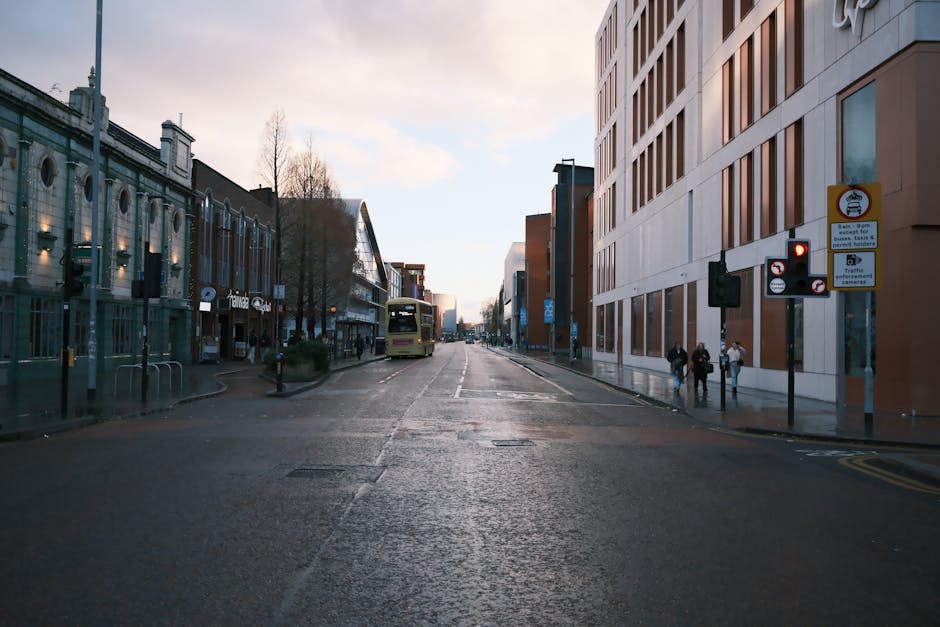
On paper, Fishergate and Ribbleton are both within the same city. On moving day, that does not mean the journey is automatically simple. Preston's road network includes busy central streets, residential side roads, roundabouts, parking restrictions, and pinch points that can affect timing more than the actual mileage does.
Choosing the best route matters for a few reasons. First, removal vehicles are not as nimble as regular cars. A van needs space to turn, space to stop, and enough room to load without blocking traffic. Second, your move usually involves timed handovers, lift bookings, childcare, work commitments, or keys arriving at a fixed point. A route that seems shortest can easily become the least reliable. Third, the condition of your items depends on smooth handling. Frequent stopping, harsh turns, or awkward access can make fragile loads more vulnerable.
There is also a human side to it. A local move often feels like it should be easy, so people underestimate the planning involved. Then the sofa does not fit the first parking spot, the mattress needs to be carried farther than expected, and a five-minute delay becomes twenty. That is rarely dramatic, but it is tiring. Better route planning reduces the small frictions that make a move feel heavier than it should.
If you are dealing with bulky items, it is worth reading how to move a bed and mattress safely and why piano moves are best left to specialists before you commit to your loading plan.
How Fishergate to Ribbleton: Best Removal Routes in Preston Works
The best route is not just the fastest one. It is the route that balances three things: time, access, and load safety. For a Fishergate-to-Ribbleton move, that usually means comparing direct town-centre paths with slightly longer routes that may be easier for a van to navigate.
In real terms, route planning starts with the property at both ends. Are you loading from a flat above a shop in Fishergate, or from a house with a driveway? Is your Ribbleton address on a busier road, or a quieter residential street with reasonable parking? Those details matter because the last 50 metres often decide whether a move is smooth or awkward.
Most local removal runs follow one of three patterns:
- Direct central route: Best for lighter moves and off-peak timing when the roads are clear.
- Peripheral route: Slightly longer, but sometimes better for van access, easier turns, and fewer stop-start delays.
- Hybrid route: A mixed approach that avoids the tightest streets while still keeping journey time sensible.
Good route planning also means considering the time of day. A route that works beautifully at 10 a.m. may be frustrating at school-run time or during a busy retail period. In other words, the map is only half the story. Traffic patterns, parking pressure, and loading restrictions are the rest.
If your move includes a lot of boxes, the advice in this packing guide for house moves and packing and boxes in Preston can make route planning easier because the van can be loaded more efficiently.
Key Benefits and Practical Advantages
When you choose the best route rather than the most obvious one, you get advantages that show up all day long. Some are practical. Some are psychological. All of them help.
| Benefit | Why it matters in a Preston move | Practical effect |
|---|---|---|
| Less delay risk | A route with fewer bottlenecks is easier to keep on schedule | Better chance of meeting key handover times |
| Safer handling | Fewer sharp turns and abrupt stops reduce load movement | Lower risk of scuffs and breakage |
| Easier parking | Some streets are simpler for temporary van access | Less walking distance and less lifting strain |
| Lower stress | Predictable access makes the move feel organised | Fewer last-minute adjustments |
| Better crew efficiency | Removal teams work faster when the route and access are clear | Quicker completion and fewer delays |
A less obvious benefit is how route planning affects your energy. The real effort in a move is often not the driving. It is the repeated lift, carry, turn, and wait. If the route and access are well thought through, you reduce wasted movement. That can make a big difference by the end of the day, especially if you are moving furniture as well as boxes.
For heavier items, a useful companion read is solo heavy lifting advice, though of course the safer choice for anything substantial is often to use a man with a van in Preston or a full removals Preston service.
Who This Is For and When It Makes Sense
This route-planning approach is useful for a wide range of local movers. It is especially relevant if you are:
- moving from a Fishergate flat or apartment into Ribbleton housing
- relocating a small business or office between local districts
- moving student accommodation contents and need a reliable short city transfer
- transporting furniture, white goods, or awkward items across Preston
- working to a tight key exchange or tenancy deadline
It also makes sense if you have access issues at either end. For example, a Fishergate property may involve stairs, shared entrances, or restricted stopping space, while a Ribbleton destination may be easier by van but still awkward for large items through a narrow hallway. In those cases, the route is part of the access plan, not just a navigation choice.
Students and renters often benefit from a smaller-scale service, especially if they are not moving a full house. A good starting point is student removals in Preston, while larger family or landlord moves are often better suited to house removals Preston or flat removals Preston.
Step-by-Step Guidance
The cleanest way to plan the route is to work from the property outward rather than starting with the map. Here is a practical process.
- List the items being moved. Note anything heavy, fragile, tall, awkward, or valuable.
- Check access at both addresses. Look for parking restrictions, stairways, narrow hallways, low kerbs, or loading limits.
- Choose a loading window. If possible, avoid the busiest local traffic periods and school-run pressure.
- Compare at least two route options. One may be shorter on paper, but the other may be far easier for a van.
- Match the vehicle to the route. A larger van may need a cleaner approach, while a smaller vehicle may handle tighter streets better.
- Pack by unload order. Items needed first should be easiest to reach once the van arrives.
- Do a final walk-through. Check doors, keys, parking, and whether anything needs dismantling before departure.
A simple real-world example: if you are leaving a first-floor Fishergate flat and moving to a house in Ribbleton, the route choice should take second place to load-out efficiency. A slightly longer route can still be the better choice if it avoids awkward turns, gives the driver a cleaner approach, and shortens the time the team spends navigating busy streets.
For furniture-heavy moves, furniture removals in Preston and the practical guidance in sofa storage recommendations can help you protect larger pieces before they even leave the property.
Expert Tips for Better Results
Small decisions create big differences on moving day. A few experienced habits tend to pay off every time.
- Move early if you can. Roads are often calmer and parking is easier before the day gets busy.
- Keep the van load balanced. Heavy items should sit low and stable, not stacked in a way that shifts during braking.
- Disassemble what makes sense. Beds, tables, and some shelving units travel better in parts. That is less glamorous, but much easier on the wrists.
- Protect corners and edges. Door frames, wardrobes, and sofas often take the first knock, not the last.
- Have keys and access details ready. Waiting around is one of the simplest ways to lose momentum.
- Plan for the destination before you leave. Know where the van will stop, where items will go, and which room each box belongs in.
If you are trying to reduce physical strain, the advice in heavy lifting confidence tips and kinetic lifting guidance is useful for understanding movement mechanics, though proper lifting technique is only part of the picture. Good planning matters just as much.
One understated tip: keep a small "first hour" bag separate from the rest. It should include keys, chargers, tea, documents, medication, and a few essentials. It sounds obvious until you are standing in a hallway with ten boxes that all look identical.
![A narrow residential street in Preston showing a row of brick terraced houses with small front gardens and brick chimneys. The street is lined with black wheelie bins and a wooden fence on the right side, partially covered by green foliage. The pavement is in good condition, with some shadows cast by the buildings and trees. In the background, the street curves slightly, leading to more houses and trees beyond. The scene is captured during daylight, with a partly cloudy sky overhead, and the area appears quiet, suitable for house removals and furniture transport by [COMPANY_NAME], as part of home relocation and packing and moving services.](/pub/blogphoto/fishergate-to-ribbleton-best-removal-routes-in-preston2.jpg)
Common Mistakes to Avoid
Most route problems are avoidable. They usually come from assuming the journey is simple because it is local.
- Choosing the route by distance alone. Shortest is not always quickest or safest.
- Ignoring parking at either end. A short drive can turn into a long carry if the van cannot stop near the entrance.
- Forgetting building access rules. Flats, managed buildings, and shared properties may have time limits or loading expectations.
- Overloading the van. A crowded load can make handling slower and less secure.
- Leaving fragile items loose. Glass, mirrors, lamps, and appliances need proper protection.
- Moving without a clear unload plan. This creates clutter and slows down the whole transition.
Another common oversight is not preparing for post-move cleaning or disposal. If you are leaving a property in good order, it can help to review move-out cleaning advice and decluttering before moving house. Those two tasks often save as much time as route planning itself.
Tools, Resources and Recommendations
You do not need specialist software to plan a local Preston removal route, but a few simple tools can improve accuracy and reduce guesswork.
- Mapping apps: useful for checking route alternatives, road layouts, and estimated travel time.
- Property access notes: write down floor level, parking restrictions, and where the front entrance sits.
- Item inventory: helps you estimate van size and packing needs.
- Labels and colour codes: make unloading faster and more organised.
- Protective packing materials: blankets, straps, tape, and proper boxes reduce damage risk.
For packaging, packing like a professional gives a strong foundation, while packing and boxes in Preston is the logical next step if you need supplies. If you are storing items between moves, storage in Preston may also be useful, especially when completion dates do not line up neatly.
For unusual items, make the call early. A freezer should be prepared properly before transit; you can learn more from freezer storage guidance. Similarly, awkward or high-value items such as pianos usually deserve dedicated handling rather than a hopeful DIY approach.
Law, Compliance, Standards, or Best Practice
Local removals do not usually involve complex legal issues, but there are still important standards and responsibilities to bear in mind. Good practice matters because moving safely is part of delivering a reliable service and avoiding avoidable damage or disruption.
For example, vehicles should be operated within road rules, parking restrictions should be respected, and loading should not create unnecessary danger to pedestrians or other road users. On private property, access arrangements should be followed carefully, especially in managed blocks or shared residential settings. If a building has lift booking rules or loading time windows, those should be checked in advance.
From a service standpoint, reputable movers normally pay attention to health and safety, safe lifting, and suitable insurance cover. If you are comparing providers, it is sensible to review health and safety policy information, insurance and safety guidance, and terms and conditions so you know what is covered and what expectations apply.
For trust and transparency, it also helps to understand who you are dealing with, so about us and pricing and quotes are worth a look before booking. If you have accessibility needs, check the provider's accessibility statement as well.
Options, Methods, or Comparison Table
There is no single best method for every Fishergate-to-Ribbleton move. The right choice depends on what you are moving, how much parking you have, and how quickly you need the job completed.
| Method | Best for | Pros | Trade-offs |
|---|---|---|---|
| Direct city-centre route | Smaller loads, quiet timing | Usually the shortest path | Can be slower if traffic builds |
| Outer or bypass-style route | Larger vans, awkward access | Often easier to drive and park | May add a little journey time |
| Planned mixed route | Full-house moves | Balances speed and access | Needs a bit more pre-planning |
In many real moves, the mixed route is the winner. It avoids the busiest choke points while keeping the journey efficient. That said, if you are moving only a few boxes, the simplest direct route may be perfectly fine. The key is to think in terms of the whole job, not just the drive between postcodes.
Case Study or Real-World Example
Here is a realistic example based on the kind of move people make every week in Preston.
A tenant is leaving a Fishergate apartment on a Friday morning and moving into a terraced property in Ribbleton. The flat is on an upper floor, the lift is small, and roadside stopping space is limited outside the building. The new property has more accessible parking, but the front street is narrower than expected.
Instead of choosing the shortest map route, the mover selects a route that avoids the busiest central stretch during the morning peak. The van is parked slightly farther from the Fishergate entrance but in a place that allows safer loading. On arrival in Ribbleton, the driver uses the better turning space on the approach road rather than forcing the van into the tightest part of the street.
The result is simple: the move takes a little longer than the absolute shortest drive would have, but the loading and unloading process is smoother, faster, and less stressful. No one is rushing, no one is hauling a wardrobe around a blind corner, and the furniture arrives in better condition. That is the kind of outcome route planning should deliver.
If you are moving a sofa, the advice in sofa care and storage recommendations can help you prepare it properly before transport.
Practical Checklist
Use this checklist before the van sets off.
- Confirm moving date, time, and key collection arrangements
- Check access at both Fishergate and Ribbleton properties
- Identify any parking restrictions, permits, or time limits
- Choose a route that suits the van, not just the map
- Measure large furniture and doorways if needed
- Protect fragile items with suitable packing materials
- Label boxes by room and priority
- Keep essential items separate for quick access
- Confirm whether any items need disassembly
- Review insurance and safety information if using a removal service
- Allow extra time for traffic, loading, and access issues
Practical summary: the best removal route is the one that makes the whole move easier. In Preston, that usually means balancing driving time with access, parking, and the safety of your load. A slightly less direct route can be the smarter choice if it saves lifting, avoids congestion, or protects your belongings better.
Conclusion
Fishergate to Ribbleton may be a local move, but local does not mean casual. The best route is the one that fits your property access, timing, vehicle size, and load type. Once you stop thinking about it as a simple point-to-point trip, the whole move becomes easier to control.
The strongest approach is practical: plan the route, prepare the load, confirm access, and keep the day organised from the first box to the last chair. Do that well and the move feels much less like a scramble. It becomes just another job done properly, which is exactly what most people want.
For a calmer, better-organised move, combine route planning with reliable packing, careful lifting, and the right service support where needed. If you are comparing help for your next local move, take a look at Preston removal options, review the service pages, and choose the level of assistance that fits your household and timeline.
Get a free quote today and see how much you can save.