Avenham Park Removals: Access & Parking Advice PR1
Posted on 06/05/2026
Avenham Park Removals: Access & Parking Advice PR1
Moving home near Avenham Park sounds straightforward until the first van arrives and you realise the road is busier, the parking is tighter than expected, and the lift from front door to vehicle is not quite the casual five-minute job you imagined. That is exactly why Avenham Park Removals: Access & Parking Advice PR1 matters. A good move in this part of Preston is not only about carrying boxes; it is about planning the route, understanding local access, choosing the right vehicle size, and making sure the loading point works in real life, not just on paper.
If you are preparing a flat move, a family house move, or even a same-day clearance near the park, the small details make a big difference. A van parked one street too far away can slow everything down. A blocked driveway can turn a tidy schedule into a messy afternoon. In this guide, we will walk through access, parking, timing, practical preparation, and the kinds of decisions that help the day feel calm rather than chaotic. To be fair, that calm feeling is often the real service people are paying for.

Why Avenham Park Removals: Access & Parking Advice PR1 Matters
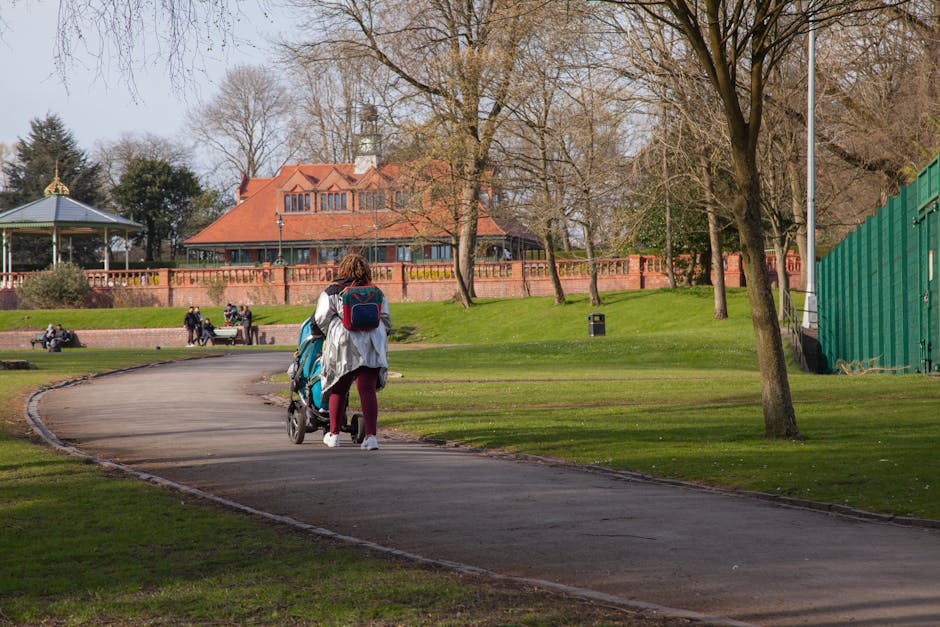
Avenham Park is close to central Preston, and that location is both a benefit and a challenge. You get good access to the city, but you also need to deal with busy roads, limited waiting space, and the usual mix of parked cars, pedestrians, and delivery traffic. When people search for removals advice around PR1, they are usually not asking for a geography lesson. They want to know one thing: how do I get the van close enough to make moving day efficient without upsetting neighbours, delaying the crew, or risking damage?
That question is more important than it sounds. In removals, access is not a side issue. It affects labour time, the number of trips needed, the ease of handling heavy furniture, and the overall stress level. A difficult parking setup can turn a tidy two-hour job into a longer, more expensive one. It can also create awkward moments if the team has to double-park, search for loading space, or carry items farther than expected in the rain. Nobody enjoys that. Especially not when there is a sofa involved.
For local moves near the park, the most useful approach is to treat access and parking as part of the move plan from day one. That means checking where the van can stop, whether there is a suitable loading area, and whether stairs, narrow halls, or shared entrances will affect turnaround time. If you have already started planning the wider move, our house move planning guide can help you think through the moving process more calmly.
Local knowledge also helps with expectations. In areas like PR1, people often assume there will be enough space on the day because they have seen a short gap near the kerb. The reality can be different once school traffic, commuter cars, or weekend visitors appear. A reliable removals plan should work at 8 a.m., at midday, and in the odd case where the weather decides to be very British and slightly miserable.
How Avenham Park Removals: Access & Parking Advice PR1 Works
Access and parking advice for a move near Avenham Park is really about matching the property, the vehicle, and the route. There is no single formula, but there is a sensible process. Start with the property type. A ground-floor flat with a private drive has a very different loading profile from a third-floor apartment with street parking only. Then look at the road width, any restrictions, and how far the van would need to stand from the entrance.
Next comes the vehicle choice. A larger van can reduce the number of trips, but it may be harder to park close to the building. A smaller removal van may fit neatly into tighter spaces, though it might require more loading rounds. For many local jobs, a flexible man and van service in Preston is a useful fit because it can be scaled to the property and the access conditions rather than forcing the property to fit the vehicle. That is a small distinction, but it matters.
The third part is the loading plan. Are boxes ready by the front door? Is there a safe route from the kitchen to the van? Can heavy items be brought out without crossing through narrow hallways or damaging walls? This is where good prep saves time. A well-packed move, as explained in our packing guide for moving house, gives the crew fewer surprises and makes it easier to load efficiently.
Finally, good removals planning includes timing. Morning slots are often easier for parking and street access, but that is not a hard rule. Sometimes early school traffic makes things worse before they improve. Sometimes lunch hour opens the road just enough to help. You need to think locally, not abstractly. Truth be told, that is what separates a smooth move from one that feels like a small logistical puzzle.
Key Benefits and Practical Advantages
When access and parking are planned properly, the benefits show up in ways that are easy to miss until they are gone. The move feels faster, the team has a safer working space, and your belongings spend less time being carried through doorways, pavements, and half-open gates.
- Less time lost: A good parking spot reduces carrying distance and speeds up loading.
- Lower handling risk: Shorter carries mean less chance of knocks, scrapes, and dropped items.
- Better coordination: The crew can work more smoothly when they are not waiting for space.
- Less neighbour friction: Clear parking avoids awkward blocking or complaints.
- More accurate quotes: Good access information helps removal teams estimate time and vehicle needs more reliably.
There is another benefit people sometimes overlook: peace of mind. If you already know where the van will stop and how the walk-in will work, you are not spending moving day scanning the street every ten minutes and wondering whether somebody has left a car in the wrong place. That mental breathing room matters. Especially if you are juggling children, pets, or a strict handover deadline.
If you are moving items that need special care, this planning becomes even more valuable. Our pages on furniture removals in Preston and piano removals are useful if you have bulky or delicate pieces that need a safer, more deliberate approach.
Who This Is For and When It Makes Sense
This kind of advice is useful for more people than you might think. It is not just for homeowners with a full house move. In and around Avenham Park, access and parking planning can help with small flat moves, student moves, furniture-only jobs, office relocations, and even single-item collections.
You will benefit most if you are:
- moving from a flat or apartment with limited street parking
- living on a road near the park where daytime parking gets tight
- moving heavy furniture that needs a short, safe loading route
- working to a same-day deadline or fixed handover time
- coordinating multiple people, keys, and access arrangements
- unsure whether a van can stop close enough to your entrance
It also makes sense if you are trying to reduce cost. Access issues can quietly increase the job length, and that affects labour time. So, even if you are comparing removal companies and keeping an eye on budget, a realistic access plan can help you avoid hidden inefficiency. If you want to compare service options first, start with the services overview and then look at the pricing and quotes page to understand how estimates are usually structured.
For students, local movers, and renters, the same principle still applies. A small top-floor flat can create more access friction than a larger house with a driveway. Size is only one part of it.
Step-by-Step Guidance
Here is a practical way to handle Avenham Park removals access and parking without overcomplicating things. The goal is simple: make the first ten minutes of the move work properly, and the rest usually follows.
1. Check the property access first
Walk the route from your front door to the road. Notice any steps, tight turns, low hanging branches, narrow gates, or shared entryways. If you can, measure the widest point of the route and the distance to the curb. That information is gold for planning.
2. Review parking restrictions and local conditions
Look for yellow lines, permit rules, residents-only zones, loading bays, and time-limited restrictions. If you are not sure what applies, it is safer to ask than guess. A lot of moving-day headaches begin with one confident but wrong assumption. Classic.
3. Decide where the van should stop
The ideal parking spot is usually the one that reduces carrying distance while staying legal and safe. In some cases, that means a side street. In others, it means using a loading zone or private driveway. Avoid a spot that looks convenient but creates a dangerous blind corner or blocks access for neighbours.
4. Prepare a loading zone inside the property
Move boxes, dismantled items, and smaller loose pieces as close to the exit as possible. Keep the doorway clear. If you are trying to figure out the best way to pack for this stage, our pre-move decluttering tips are a sensible next read. Less clutter means less traffic inside the home and a cleaner loading line.
5. Match the vehicle size to the access
Ask whether a smaller van would actually be more efficient if parking is tight. Sometimes a slightly smaller vehicle parked close to the door beats a larger vehicle parked awkwardly down the street. Not glamorous, but true.
6. Keep a backup plan
If the first parking option is unavailable, know the second-best spot before moving day starts. A backup route, a nearby side street, or a temporary loading arrangement can save time if the obvious option is taken.
7. Confirm the final handover details
Make sure everyone knows the timing, especially if keys, lifts, or shared entrances are involved. If you are using a storage stop as part of the move, it is worth checking storage options in Preston too, because split moves often need an extra layer of planning.
Expert Tips for Better Results
Small details do a lot of heavy lifting here. Honestly, most good access planning is a collection of ordinary actions done early and done properly.
- Take photos of the frontage and parking area. A couple of pictures can help a removal team judge space far better than a vague description.
- Measure large items before move day. Sofas, wardrobes, beds, and appliances need special consideration if there are tight corners or narrow halls.
- Book a slot that suits the street pattern. If the road is busy at school run time, avoid that window if possible.
- Keep permits or permissions ready. If you need approval for parking or loading, sort it in advance. Do not leave this to chance.
- Separate essentials early. If the van arrives and you still need to find kettle, keys, and documents, things get messy very quickly.
If you have large furniture, it may help to read about moving beds and mattresses safely before move day. Likewise, if your main challenge is a bulky sofa, our guide to sofa storage and handling can help you think through preparation and space planning.
One more practical point: keep doors propped only where safe to do so. A gust of wind, a dropped box, or a door swinging shut at the wrong moment is the kind of tiny thing that can ruin a calm start. Happens more often than people admit.
Common Mistakes to Avoid
Most access problems are avoidable. They usually happen because one detail got overlooked, not because the whole move was badly managed.
- Assuming parking will be available. In busy areas, that is rarely a safe assumption.
- Underestimating walking distance. Carrying items fifty metres is very different from carrying them five metres.
- Choosing the wrong vehicle size. Bigger is not always better if access is restricted.
- Ignoring stairs and shared entrances. These add time, strain, and risk.
- Leaving packing too late. Unboxed items create delays at the most awkward moment.
- Forgetting about neighbours. Blocking drives or leaving bins in the loading area can create unnecessary tension.
There is also the classic mistake of treating the move as a furniture-only problem. It is not. It is a route-planning problem, a space-management problem, and a timing problem all at once. That is why good removals advice tends to sound a bit boring at first. But boring, in this context, is excellent. Boring means nothing has gone wrong.
Tools, Resources and Recommendations
You do not need a specialist kit list to move well near Avenham Park, but a few tools and resources make life easier.
| Tool or Resource | Why It Helps | Best Use Case |
|---|---|---|
| Phone camera | Useful for photographing access points, parking space, and awkward corners | Any local move, especially flats and tight streets |
| Tape measure | Helps compare furniture dimensions to doors, corridors, and van space | Large furniture or appliance moves |
| Labels and markers | Speeds up unloading and reduces confusion | House moves and split loads |
| Furniture blankets or wraps | Protects finishes during narrow carries | Sofas, tables, wardrobes, and fragile items |
| Online quote form | Supports clearer pricing by sharing access details early | Any move where parking may affect timings |
For packing supplies, a dedicated packing and boxes service can save time if you are running short on materials. And if your move is more about convenience than a full household relocation, man with a van in Preston is often a practical starting point for smaller loads or quick jobs.
If you want to understand how different move types compare, take a moment to look at flat removals, house removals, and office removals. They each bring different access pressures, and the best planning depends on the building, the contents, and the street outside.
Law, Compliance, Standards, or Best Practice
With parking and access, it is wise to stay on the right side of local rules and common-sense safety practice. Exact parking rules can vary by street and by council-managed area, so always check local signage and any permit conditions before the move. If a location has loading restrictions, double yellow lines, or resident-only controls, do not assume a quick stop is acceptable just because it is only for a few minutes.
From a removals perspective, the main best-practice points are fairly consistent:
- do not obstruct emergency access
- avoid blocking dropped kerbs, drives, or crossings
- keep walkways safe and reasonably clear
- use sensible lifting methods and suitable equipment
- reduce trip hazards by managing loose packaging and cables
Good operators should also think about insurance and safety. If you are comparing providers, it is reasonable to ask how they approach damage protection, manual handling, and transport security. You can read more about that on the insurance and safety page, along with the company's broader health and safety policy. These pages help set expectations before any van pulls up outside your door.
If you are using a service that involves handling personal data, payments, or customer records, the wider trust picture matters too. Pages such as the privacy policy, terms and conditions, and payment and security information are useful for understanding how the business works. Not thrilling reading, granted, but very useful before you book.
Options, Methods, or Comparison Table
Different access situations call for different approaches. Here is a simple comparison to help you think clearly.
| Approach | Best For | Strengths | Watch Outs |
|---|---|---|---|
| Large removal van parked close to property | Driveways, wider roads, easy frontage | Fewer trips, efficient loading | May be hard to park in tighter PR1 streets |
| Smaller van with shorter carries | Narrow roads, limited curb space, flats | More flexible parking, easier access | May need extra trips if the load is large |
| Split load with storage stop | Staged moves, delayed access, downsizing | Reduces pressure on move day | Requires careful planning and coordination |
| Same-day removals | Short deadlines, urgent relocations | Fast turnaround, practical for emergencies | Less room for parking mistakes and delays |
For many local moves, the best option is a hybrid one. For example, a smaller vehicle for the trickiest street section, or a staged route that includes storage if the new place is not ready. If you are under time pressure, same-day removals in Preston can be a practical fallback, but only when the access plan is clear.
There is no medal for making the hardest option look heroic. If the easy plan works, take the easy plan.
Case Study or Real-World Example
Here is a realistic example based on the kind of move often seen near Avenham Park. A couple moved from a first-floor flat with on-street parking only. The street was reasonably wide, but daytime parking was busy and there was no guarantee of a space directly outside. Their original idea was to "just see what happens on the day." That would have been risky.
Instead, they took photos of the frontage, checked the nearby side roads, and split the packing so the heaviest boxes were ready by the hallway the night before. They also dismantled a bed frame in advance and wrapped the mattress properly. The moving team parked a short walk away, but the route was clear, the lift line was simple, and the main load went out efficiently. Nobody had to play musical chairs with the van.
What made the difference was not brute force. It was preparation. A quiet little win, really. They had also read practical advice on safe solo lifting habits and used that mindset to avoid overloading themselves with awkward single-person carries. That kind of thinking is especially valuable when access is imperfect but manageable.
The move still took work, of course. All moves do. But it stayed controlled. That is the goal near Avenham Park: not perfection, just control.
Practical Checklist
Use this checklist a day or two before moving.
- Confirm the moving date and arrival window
- Check parking restrictions and loading permissions
- Identify the nearest practical van stopping point
- Measure large furniture and awkward items
- Clear the route from rooms to the exit
- Pack and label boxes before move day
- Separate essentials, valuables, and documents
- Make sure keys, codes, and contact numbers are ready
- Protect floors, corners, and fragile surfaces if needed
- Keep a backup parking or loading plan in mind
- Tell neighbours if access may briefly affect them
- Check whether storage is needed for any items
If your move involves decluttering first, our article on moving out with a clean slate is a useful companion read. Clearing out unnecessary items often makes access planning easier too, because fewer things need to be carried through tight spaces.
Conclusion
A move near Avenham Park does not need to become a parking puzzle with boxes attached. With the right access planning, the right vehicle choice, and a little local awareness, you can make the day smoother, safer, and far less stressful. The trick is to treat parking as part of the move, not an afterthought. Once you do that, everything tends to fall into place more neatly.
Whether you are moving from a flat, a family home, or a single room, good preparation gives you options. And options matter. They help you adapt if the road is busier than expected, if the weather turns, or if the best bay has already been taken. That is real-world moving, not an idealised version of it.
For support with a local move, it helps to work with a team that understands Preston streets, practical lifting, and the awkward little details that come with urban access. A calm plan today usually saves a lot of sighing tomorrow. And if you are feeling slightly overwhelmed, that is normal enough. One clear step at a time gets you there.
Get a free quote today and see how much you can save.